The History of Rajamahendravaram
A journey through the centuries, exploring the dynasties, culture, and key milestones that shaped this historic city.
Birth of East Chalukyas
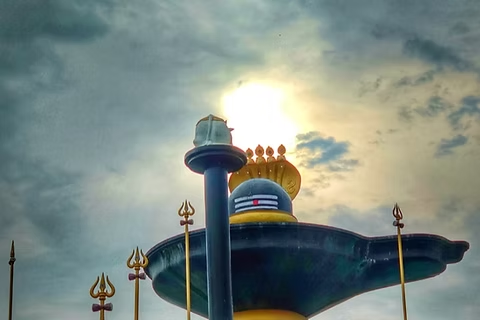
In 624 AD, Pulakesin II conquered Vengi and made his brother Kubja Vishnuvardhana the ruler, founding the Eastern Chalukya dynasty. Rajahmundry gained prominence under King Rajaraja Narendra (1022 AD). The city is celebrated as the birthplace of Telugu literature—home to Ādi Kavi Nannayya, who began the Telugu translation of the Mahabharata with Tikkana and Yerrana. The dynasty later clashed with Cholas, with Vengi becoming a battlefield between Cholas and Western Chalukyas.
Vijayaditya Rule & Wars with Cholas
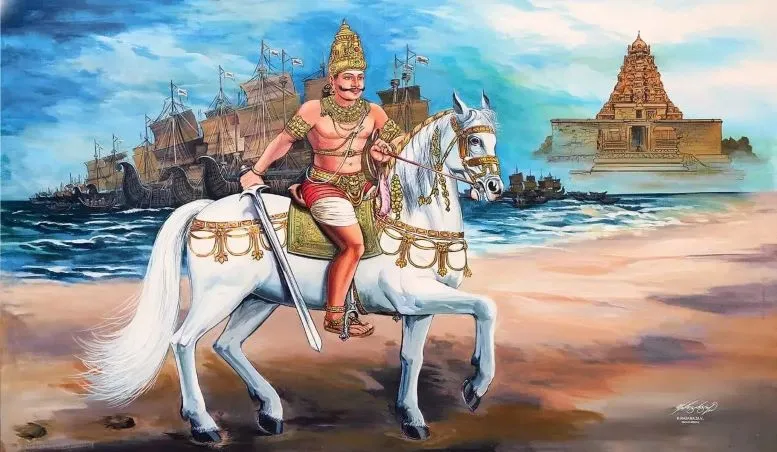
After Raja Raja Narendra, his cousin Vijayaditya ruled (1062–1072 AD). During his reign, Rajendra Chola invaded, defeating Vijayaditya despite Kalinga’s support. Later peace was restored and successors like Kulottunga ruled for nearly two centuries amidst wars.
Kakatiya Dynasty
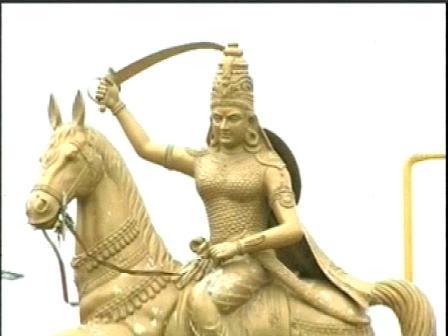
Eastern Chalukya rule ended around 1070 AD. From 1218–1323 AD, the Kakatiya dynasty under rulers like Ganapati Deva expanded their territory, including Rajahmundry, until it was annexed by the Delhi Sultanate after sieges by Alauddin Khalji and Ghiyasuddin Tughlaq.
Muslim Rule & Gajapathis
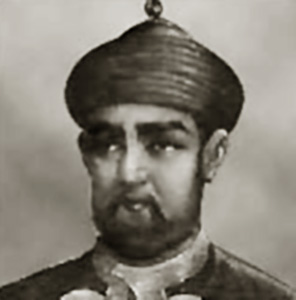
In 1323 AD, Rajahmundry came under the Delhi Sultanate via Muhammed Bin Tughlaq’s general Ulg Khan. By 1448 AD, it was ruled by Kapileswara of the Gajapathi kingdom, before falling into conflict with Bahamanis. In 1512 AD, Sri Krishna Devaraya of Vijayanagara conquered Rajahmundry, later returning some territory through treaties.

Kutubshahis & Arrival of Europeans
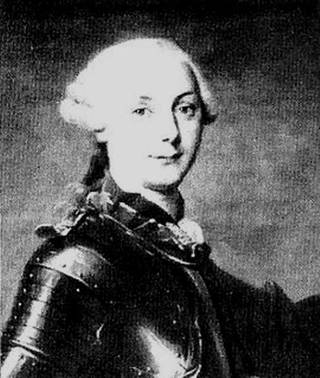
From 1533–1687 AD, the Kutubshahis controlled Rajahmundry. The Dutch built a fort in 1602, later used by the British as a jail (1864) and upgraded to a central jail in 1870. After 1687, the Mughals annexed the region. By the 18th century, French and British fought for dominance, with the British finally gaining control in 1769.
British Rule & Reforms
Rajahmundry became a district HQ in 1823, reorganized in 1859, and later bifurcated in 1925 into East (HQ Kakinada) and West (HQ Eluru) Godavari districts. The British era saw modernization through Dowleswaram Barrage (1850) by Sir Arthur Cotton, the formation of Rajahmundry Municipality (1866), and construction of the iconic Havelock Bridge (1900).
Andhra Renaissance & Social Reform
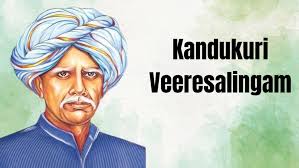
Kandukuri Veeresalingam, known as the father of modern Telugu literature, started the magazine Vivekavardhini (1874), established a girls’ school, organized the first widow remarriage (1881), and founded societies to promote social reform. He initiated the Town Hall (1890). The city also witnessed Bipin Chandra Pal’s speech (1905) and the Rampa Rebellion (1922) led by Alluri Sitarama Raju.
Iconic Bridges over Godavari
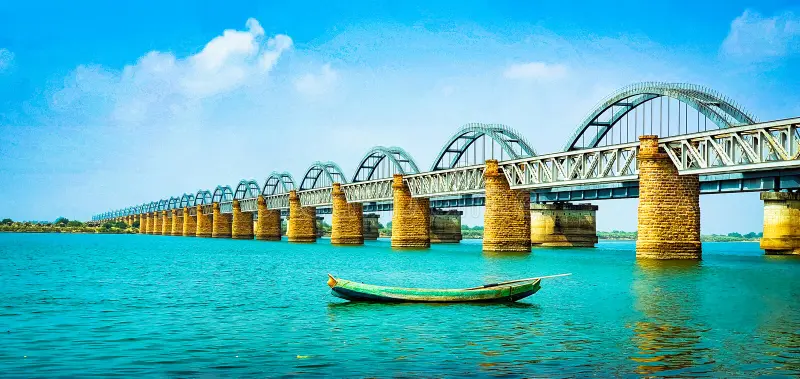
- Havelock Bridge: Opened 1900, decommissioned 1997.
- Godavari Bridge: Road-cum-Rail bridge opened 1974.
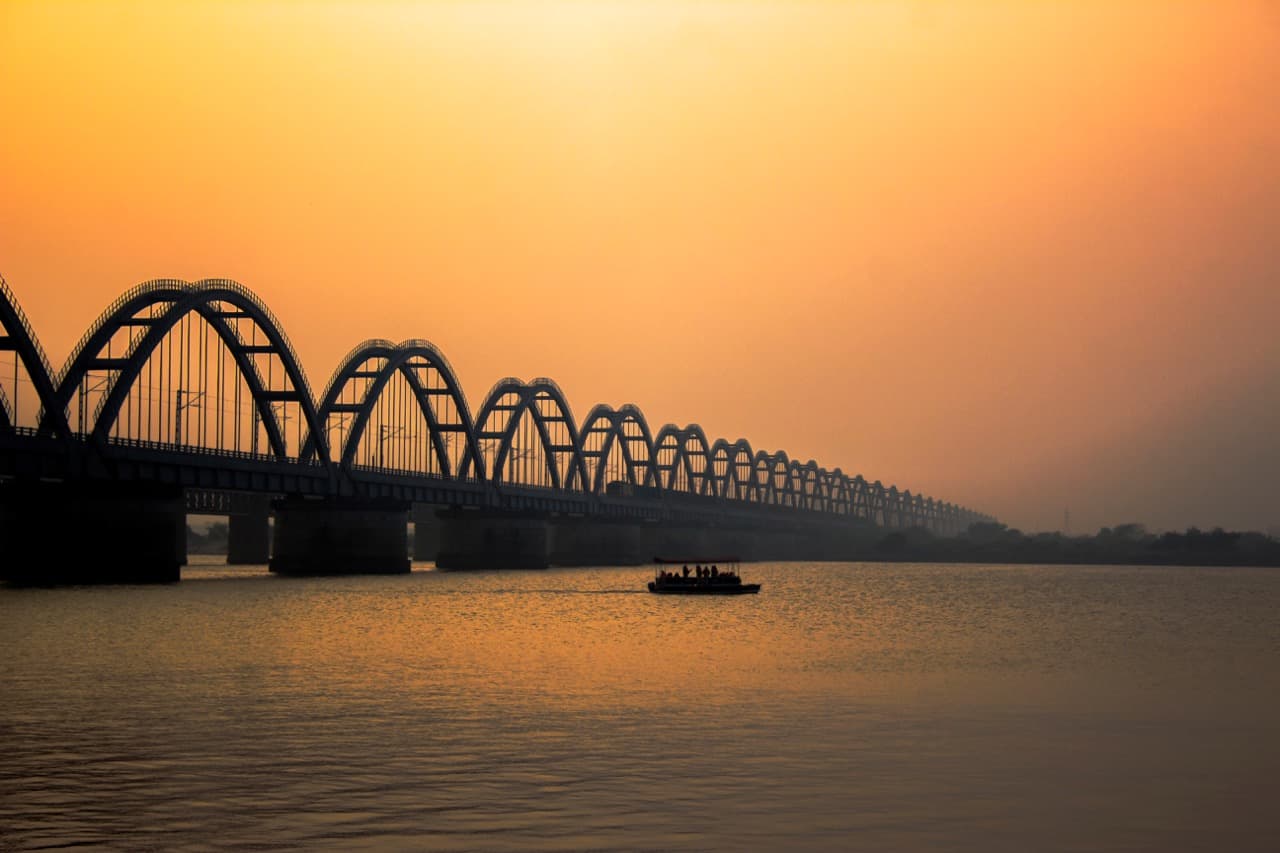
- Godavari Arch Bridge: Bowstring-arch railway bridge, completed 1997.
Cultural Landmarks
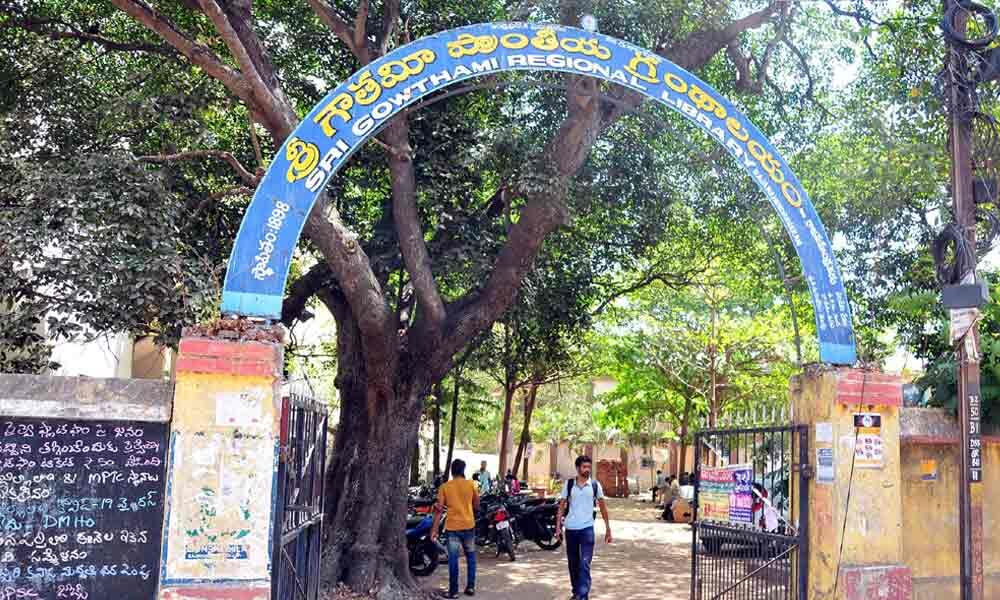
The Gowthami Grandhalayam (1898), founded by reformer Veeresalingam, remains one of the oldest libraries in Andhra Pradesh with over 100,000 volumes. Rajahmundry is also home to many heritage temples and remains a cultural hub of Andhra literature and arts. In 2015, the city’s official name was restored to Rajamahendravaram.